

Not gonna lie, I used to despise mobile games like many other folk out there.
But my perspective changed through my internship experience. I’ve come to realize that this genre deserves more appreciation from players of all walks of life.
At present day, Modern match-3 games have not only survived but have come to dominate the mobile gaming industry. You might love them or hate them, but today, I aim to break down this genre to help everyone understand why it’s so successful.
ACCESSIBILITY
Let’s begin by the most essential factor for a mobile game:
To be designed in such a way that it is approachable to as many players as possible, at any given time, from the get-go.
PREMISE / UNIVERSE / THEME
Match-3 games typically feature stories that are simple and universally relatable. These narratives avoid unnecessary complexity, so players don’t feel the need to ask questions like, “Why is this gem so powerful, and why does it exist at all?”
This simplicity isn’t a weakness; it enhances the player experience. The less information you present, the more the players will be intrigued to learn about the game, and less confused about what’s going on.
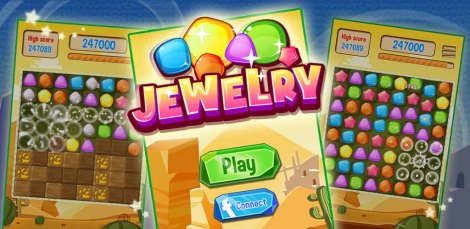
By limiting exposition, the focus stays squarely on what matters most: playing the game.
ART STYLE
Match-3 games are centered around pattern recognition. The art style must enhance this core mechanic without detracting from it.
For instance, using desaturated icons for game pieces while saturating the rest of the interface would undermine the gameplay.
The point of this genre is that it welcomes players to understand and solve its different color combinations which are “virtually visible”.
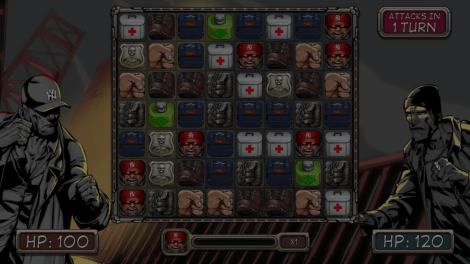
The goal is to make the patterns and colors immediately distinguishable.
ERGONOMICS
A good match-3 game doesn’t require players to hold their phone in landscape orientation (or use both hands).
These complications are avoided with intuitive, single-handed portrait gameplay controls.

The simplicity of the controls, combined with the tactile satisfaction of making matches, makes these games approachable for players of all play styles, anywhere, at any time.
PSYCHOLOGY
The success of match-3 games lies in their deep psychological design. Every element serves a purpose. Let’s explore a few foundational psychological principles that drive their appeal:
PATTERN RECOGNITION
Omnipresent, always active in our minds, calling back from our memory.
What do you see in this following picture?

A couple of blocks would be my answer. But my point is – Our brains are always searching for something relative to our prior knowledge.
If we see something abstract, we are attracted to find reason within it.
Now what do you see in this following picture?
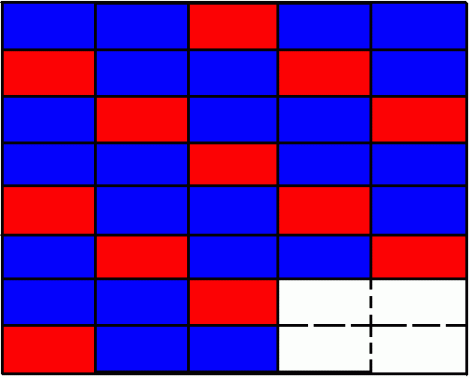
I don’t need to know your answer. You know it yourselves.
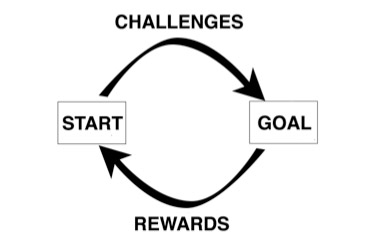
The genre, allows our mind to naturally identify patterns – And “YOU” reward yourselves for your finding.
There are no objective indications, it’s all a natural challenge, and it nets a genetic reward.
PERSONAL NOTE:
Besides the obvious similarities, I believe more psychological aspects also play into this loop of pattern recognition.
One of such, I personally believe is OCD.
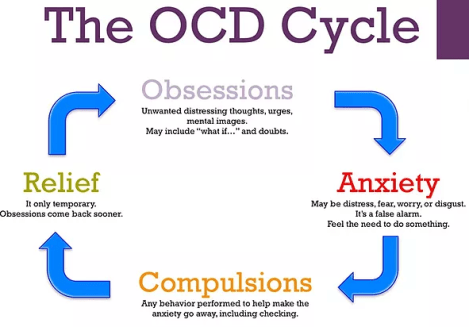
- Obsession – You realise something’s going on with the pattern.
- Anxiety – You feel the need to fix it, or do something about it.
- Compulsion – You relieve your anxiety by doing it.
- Relief – You reward yourselves for your action.
A study states OCD is present in 94% of all population, and I again, personally believe it also plays a teensy-small factor into this recognition loop.
Published Under: https://www.sciencedirect.com/science/article/pii/S2211364914000256
I might be wrong… um… But I just believe it.
RULE OF 3
The rule of three is a principle that suggests that things that come in threes, are inherently more satisfying, or more effective than otherwise.
It all comes down to the way we humans process information. We have become proficient at pattern recognition by necessity, and three is the smallest number of elements required to create a pattern.
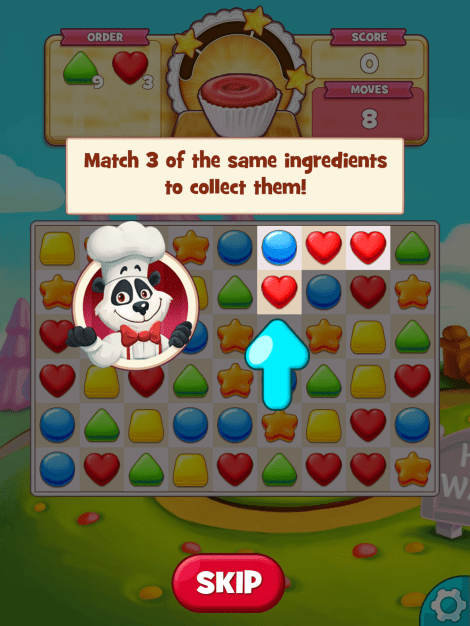
When it comes to pleasing the human brain, it seems that three is simply a magic number… Just as how you would be needed create a pattern in Match-3 games.
INFINITE FEEDBACK LOOP
From recognizing a pattern to match, executing it, to completing levels, and progressing through the saga map… It’s all essentially a never ending reward loop.
And if the players feel bad about the end result of a match from what it could have been…
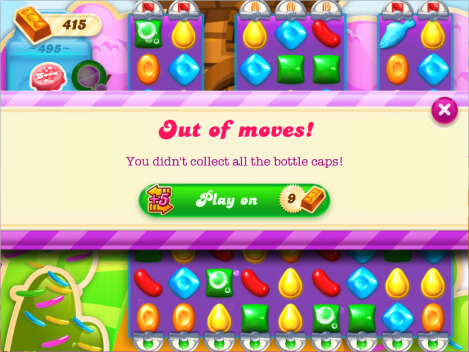
Hey! There is always this to keep you going!
LOSS AVERSION
Ever had a win, and it was amazingly-satisfying?

But at the same time, you ever felt the next loss is DOUBLE the negative of the satisfaction previously obtained?
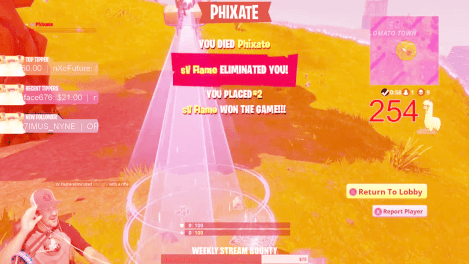
This is where loss aversion comes in. Mobile games are designed to avoid direct defeat.
POSITIVE & NEGATIVE REINFORCEMENT
Positive reinforcement strengthens the connection between actions and their consequences, while negative reinforcement dampens the positive effects of the gameplay loop.
In match-3 games, an example of positive reinforcement is the satisfying feedback from blast matches, and the cascades which are triggered by a move. Players enjoy seeing their actions produce consequences greater than their initial expectations.
“Was it a simple 3-gem match that cleared the board?” Now imagine amplifying that with a larger blast that clears 9 gems from a 4-gem match. The sense of satisfaction grows, further heightened by the luck of cascading chain reactions that follow.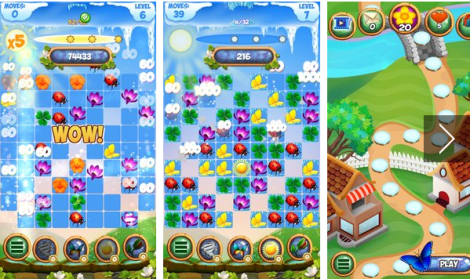
This is negatively neutralised by giving the player a new board to deal with.
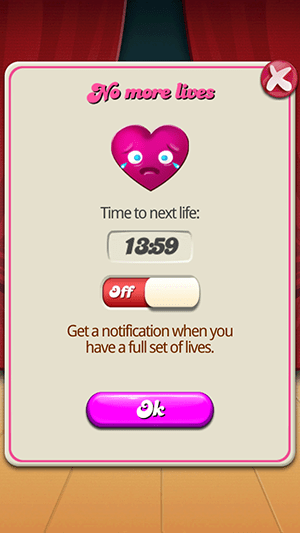
Other examples of negative reinforcement include previously discussed mechanics like +5 moves and heart timers.
Heart timers help mitigate the sting of a loss by offering a break, while +5 moves provide an opportunity to avoid outright failure, keeping the experience engaging.
SOCIAL NEEDS
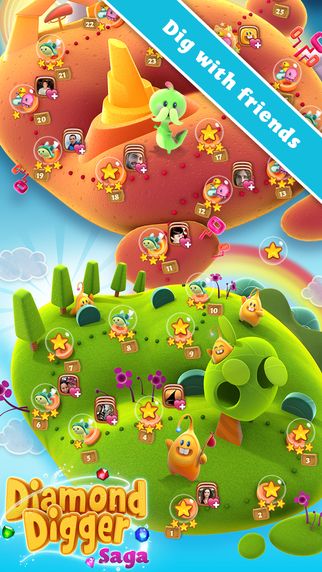
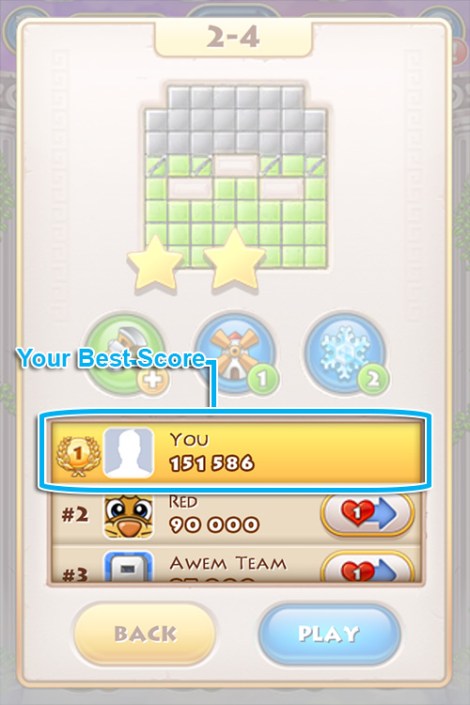
It would not feel good to spend hours on a leaderboard if you didn’t have anyone to show it to – And showing off the product of your time spent, triggers “Sensation of Achievement”, and the fact that you know that your score looks infinitely cooler than your friends, triggers “Sensation of Power”.
PERSONAL NOTE:
I believe everything humans do, is for attention and appreciation from others. We wish for people to look at us, speak with us, recognise us, and grow together to infinity.
RITUAL BEHAVIOUR
People are addicted to one thing or another. There is no textbook to understand which elements in life exactly trigger addiction, but i believe it’s part of human nature to continuously seek something to get addicted with (something that captures and holds our interest).
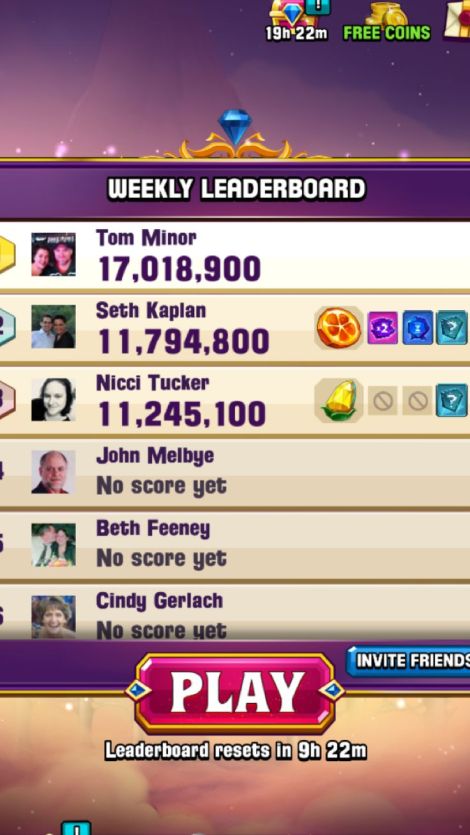
People become habituated to return every 3 hours, and this routine-like habit strengthens player retention and engagement.
SIMPLE LOOPS
ILLUSION OF CONTROL
Ever thought you didn’t achieve something because of your luck?
You might be wrong there, as every action you take, has already been calculated to a desirable resolution by the developers.
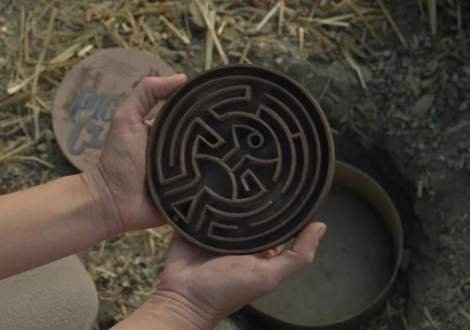
Ironic to say – this is the beauty of the genre!
RESOURCES
How do people assign arbitrary value to items which essentially provide no physical return? The barrier starts to break when we understand how we assign value to “pleasure”.

CONCLUSION
I understand that this whole analysis might be inadequate for some. In fact, it might just be scraping off the top for the genre.
For which I’d totally agree with, as I also feel there is much more depth to this genre, combined with many of the other mobile genres which I’ve only just began scratching at.
I will definitely try and spend my time on exploring them in detail in future. Till then…
See you guys on my next post.
 SnoukDesignNotes